FreeBudget vs Goodbudget: Envelope Budgeting vs Flexible Budgeting in 2026
 The FreeBudget Team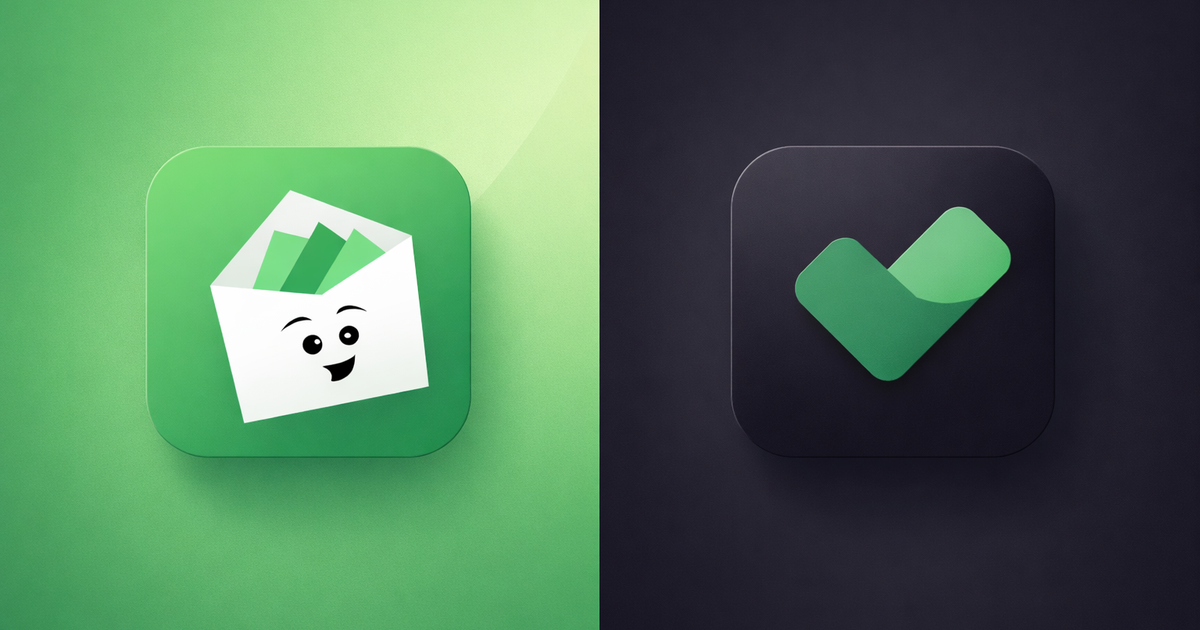
If you are deciding between Goodbudget and FreeBudget, you are really choosing between two different mental models for managing money.
Goodbudget is built around the classic envelope system.
FreeBudget is built around flexible planning without enforcing a single method.
Both approaches are valid. Both help people budget successfully. And both appeal to users who want simplicity over financial complexity.
This article walks through where each shines, where each can feel limiting, and which one makes more sense depending on how you think about money today, not how you wish you did.
TL;DR
Goodbudget is a clean, envelope-based budgeting app that works best for people who like tangible limits and simple structure. FreeBudget is a flexible budgeting app designed to adapt to different styles and changing financial lives, without forcing a single method or subscription.
Both work but they focus on different things.
A quick comparison to ground the conversation
| Area | FreeBudget | Goodbudget |
|---|---|---|
| Core philosophy | Flexible, planning-first | Envelope-based |
| Budgeting method | User-defined | Envelope system |
| Method enforcement | Optional | Required |
| Flexibility | High | Moderate |
| Reporting depth | Moderate to strong | Basic |
| Pricing model | Free to use, optional bank linking at cost | Free tier + paid tier ($10 per month or $80 per year) |
| Best fit | Users who want choice | Envelope-method users |
The real difference, envelopes vs open planning
Goodbudget is a digital version of a physical system.
Each category is an envelope.
Money goes in.
Spending pulls money out.
When the envelope is empty, spending stops.
That clarity is the entire point.
FreeBudget takes a different stance. It does not assume envelopes are the right abstraction for everyone. Instead, it provides a budgeting framework that lets you choose how strict or loose you want to be.
This difference shows up immediately in how the apps feel.
What Goodbudget does well
Goodbudget excels at simplicity and intention.
- The envelope concept is easy to understand
- Spending feels tangible
- Categories are very clear
- Manual awareness is built into the system
For people who like the envelope method, this can be incredibly effective.
Goodbudget works especially well for users who:
- Like thinking in envelopes
- Prefer manual, intentional budgeting
- Want a clear stop signal when money runs out
- Budget with a partner and want shared visibility
There is very little abstraction. What you see is what you get.
Where Goodbudget can feel limiting
The envelope model is powerful, but narrow.
As finances grow more complex, common friction points include:
- Limited reporting and analysis
- Difficulty handling irregular income
- Less flexibility outside the envelope structure
- A system that feels manual-heavy over time
Goodbudget works best when spending patterns are consistent and simple. When income varies, categories change often, or you want deeper insight into trends, the envelope metaphor can start to feel constraining.
This is not a flaw. It is the natural tradeoff of a very specific model.
How FreeBudget approaches the same problem
FreeBudget is designed to support multiple budgeting styles without enforcing one.
Instead of committing you to envelopes, it lets you:
- Budget loosely or strictly
- Adjust categories without friction
- View spending across time, not just per envelope
- Treat budgets as plans rather than hard stops
You can still budget conservatively. You can still give every dollar a job if you want. The difference is that the app does not require you to think in envelopes to do so.
This makes FreeBudget more adaptable as life changes.
Pricing and access
Goodbudget offers a free tier with limits and a paid tier for expanded use. This works well for users who are comfortable upgrading once they hit those limits.
FreeBudget takes a different approach.
Budgeting itself is free. Planning, tracking, and reporting are not gated behind a subscription. Optional automation is offered transparently and only if you choose to use it.
That distinction matters for users who want to budget consistently without worrying about hitting a paywall.
Day-to-day experience
Using Goodbudget feels like:
- Managing labeled envelopes
- Making conscious tradeoffs
- Manually staying aware of balances
- Following a very clear mental model
This is ideal for users who like tactile, intentional systems.
Using FreeBudget feels like:
- Planning budgets that can evolve
- Reviewing spending with context
- Adjusting categories without friction
- Using budgeting as a thinking tool, not a constraint
The difference is not effort. It is flexibility.
Reporting and insight
Goodbudget keeps reporting intentionally minimal.
- Envelope balances
- Basic spending summaries
- Simple month-to-month views
FreeBudget provides more optional depth:
- Budget vs actual comparisons
- Income and expense views
- Net worth tracking
- Flexible filtering
You can ignore the extra insight if you want, but it is there when you need it.
Who each tool is best for
FreeBudget is likely a better fit if:
- You want flexibility in how you budget
- You do not want to be locked into envelopes
- You want room to grow without switching tools
- You want to budget without paying
Goodbudget is likely a better fit if:
- You love the envelope method
- You prefer manual, intentional budgeting
- You want a very simple mental model
- You budget collaboratively and value visibility